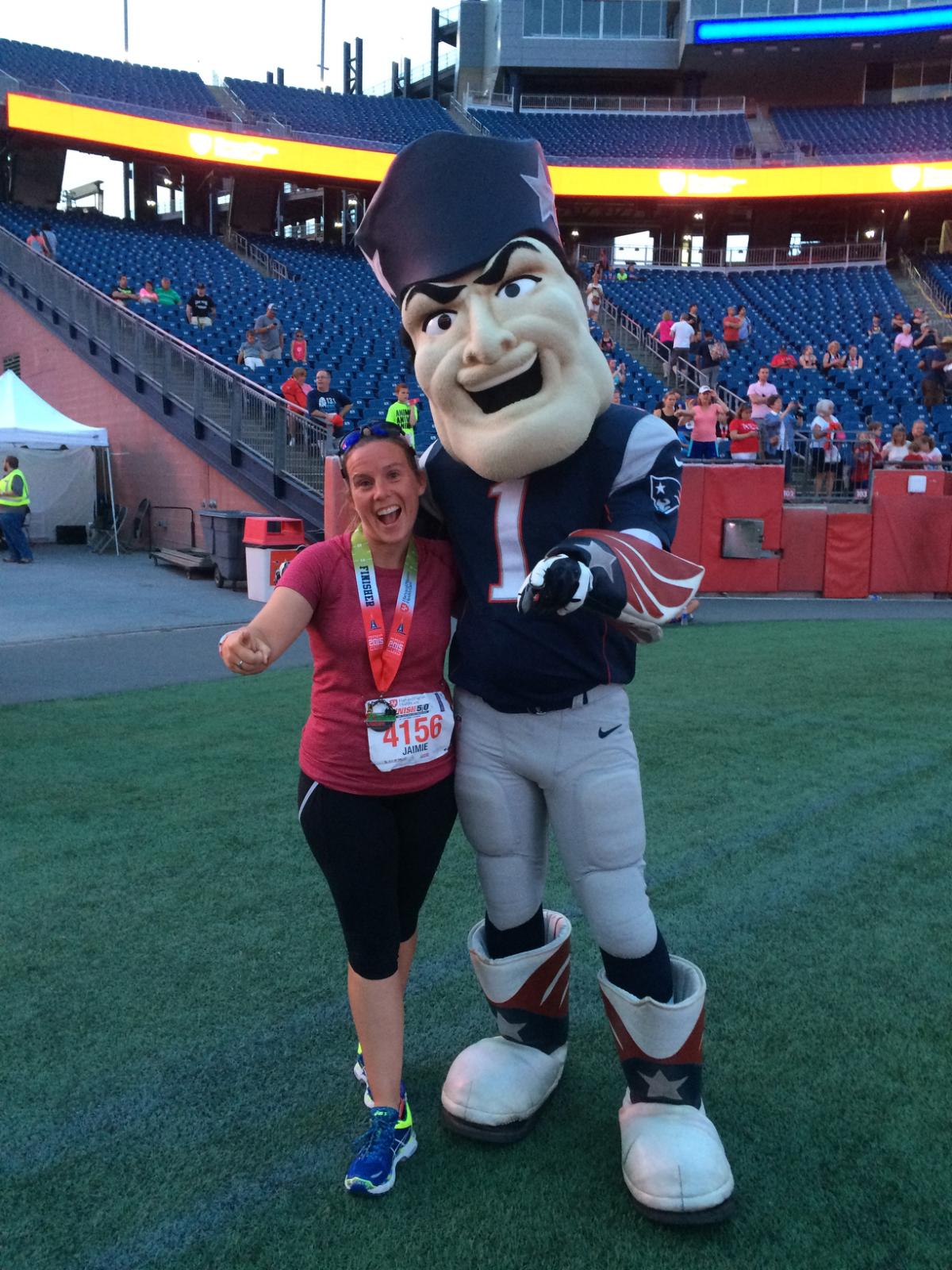
Driven by her own experience as a dancer and soccer player, Jaimie created this unique private practice to offer athletes the personalized support and care she once sought.
What is a Certified Athletic Trainer?
Athletic trainers are sometimes confused with personal trainers. There is, however, a large difference in the education, skillset, job duties and patients of an athletic trainer and a personal trainer.
The athletic training academic curriculum and clinical training follows the medical model. Athletic trainers must graduate from an accredited baccalaureate or master’s program, and 70% of ATs have a master’s degree.
Athletic trainers (ATs) are highly qualified, multi-skilled health care professionals who render service or treatment, under the direction of or in collaboration with a physician, in accordance with their education, training and the state’s statutes, rules and regulations.
As a part of the health care team, services provided by athletic trainers include primary care, injury and illness prevention, wellness promotion and education, emergent care, examination and clinical diagnosis, therapeutic intervention and rehabilitation of injuries and medical conditions. The NATA Code of Ethics states the principles of ethical behavior that should be followed in the practice of athletic training.
WE BELIEVE:
Athletes sometimes need assistance to reach their full potential
Workouts should be fun (and sweaty)
Injury prevention is key to living well
The demands of an athletes' sport can cause chronic or acute injuries
The repetitive practice of movements that require extreme flexibility, strength, and endurance make these athletes prime candidates for overuse injuries that can be either prevented or resolved
Athletes need a balance of muscular strength, flexibility, neuromuscular balance, bone and joint integrity, aerobic power, and self-discipline
SPECIALTY SERVICES INCLUDE:
Preventative Screenings
On-site Show & Theater Coverage
Lectures/Workshops
Event Coverage
TREATMENTS PROVIDED INCLUDE:
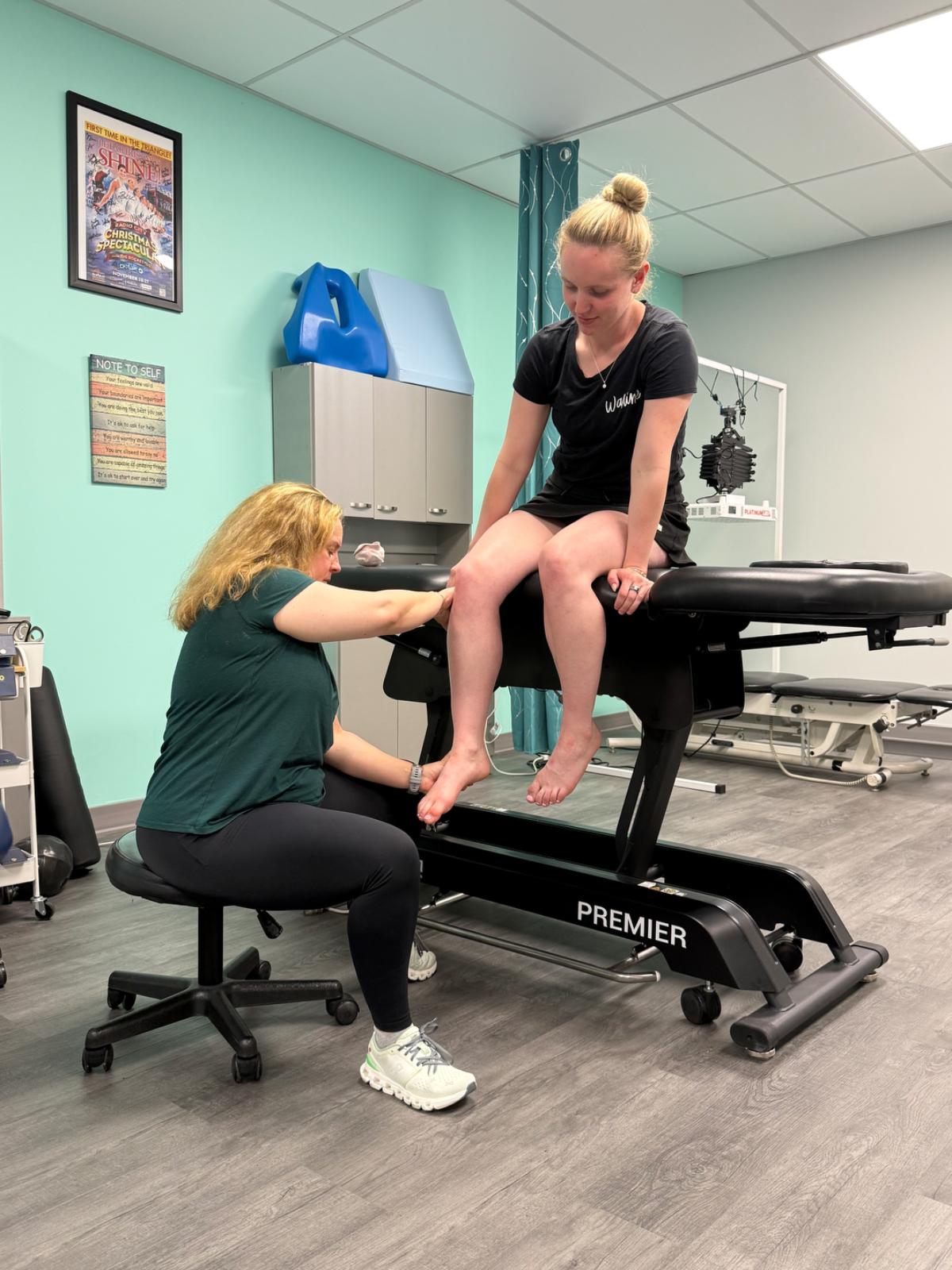
Manual Therapy
Muscle Energy
Myofascial Treatment
Breath Work
IASTM – Instrument Assisted Soft Tissue Mobilization
Myofascial Decompression – Cupping
Blood Flow Restriction Therapy
Neuromuscular Electrical Stimulation
Red Light Therapy
Craniosacral Fascial Therapy
Cold Laser
Therapeutic Ultrasound
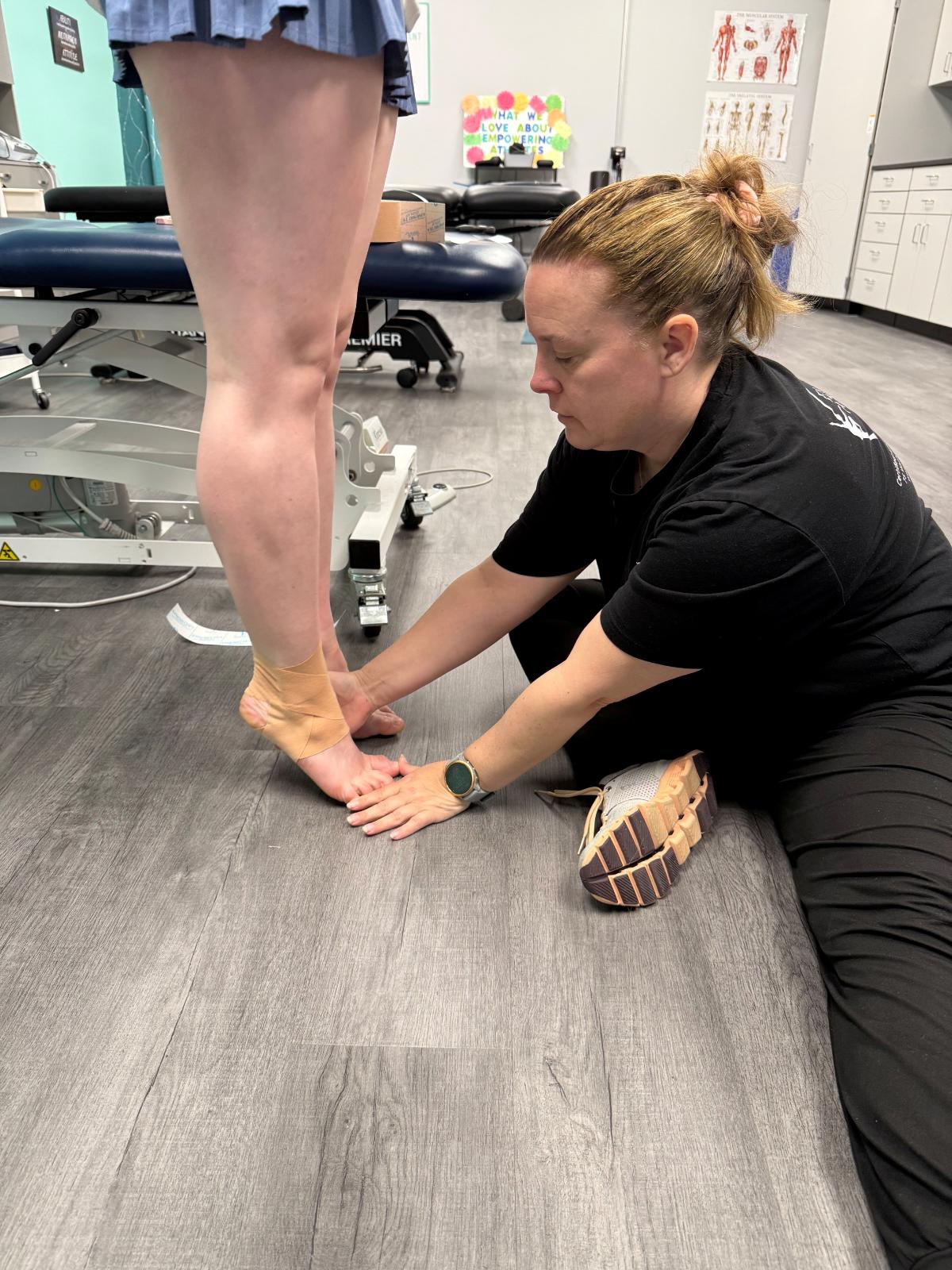
Kinesio Taping
Normetec Compression Boots
Percussion Deep Tissue Massager – Theragun